Small Money, Long Memory: The Case for the Under-$50 Wooden Gift

A friend of ours tells the same story every holiday season, usually after her second glass of wine. A few years back, the whole family chipped in on a fancy smart display for her mother — four hundred dollars, voice assistant, the works. Her mom thanked everyone warmly, set it on a shelf, and quietly went back to the paper calendar she'd used since 1987.
The same Christmas, a neighbor gave her a small hand-carved wooden dish, maybe the size of a salad plate, for her rings. Cost: somewhere around thirty dollars. It has not left her nightstand since. It will not leave her nightstand until she does.
We've heard versions of this story enough times to stop dismissing it as anecdote. So let's say the quiet part loud: price and permanence are barely related.
The Dust Collector Economy
Here's the pattern we keep seeing. Trendy, tech-forward, or status-driven gifts — the gadgets, the gilded candles, the whatever-was-on-TikTok-in-March — tend to have a shelf life measured in months. Either the tech moves on, the trend moves on, or the recipient's enthusiasm does. Meanwhile, a simple wooden keepsake just sits there, doing its small job, quietly racking up years.
Part of this is practical. Wood doesn't need a software update. It doesn't become obsolete when a company pivots or a battery dies. A maple spoon rest from 2025 will function identically in 2075, which is more than we can say for most things with a charging port.
But the deeper reason is emotional, and it cuts against everything the gift industry tells us. Big-ticket gifts often carry a weight the recipient has to manage — the obligation, the guilt, the sense of debt. A modest, well-made piece carries none of that. It asks only to be used. And used things become loved things.
What Actually Makes a Keepsake Stick
After years of watching which gifts get kept and which get re-gifted, we'd argue staying power comes down to three things, none of which show up on a receipt:
- Daily contact. The ring dish gets touched twice a day. The decorative sculpture gets dusted twice a year. Guess which one becomes part of someone's life?
- A visible story. Grain patterns, knife marks, an engraving — anything that gives the object a face. People keep things they can narrate.
- Honest materials. There's a reason 'solid wood' beats 'wood-look laminate' in the long run. The real thing ages; the imitation just deteriorates.
Eight Keepsakes Under $50 That Punch Way Above Their Price
If you're convinced but need somewhere to start, here's our working list — all modestly priced, all with outsized sentimental mileage:
- A hand-carved ring or trinket dish. The gateway keepsake. Small enough for a nightstand, meaningful enough for a lifetime.
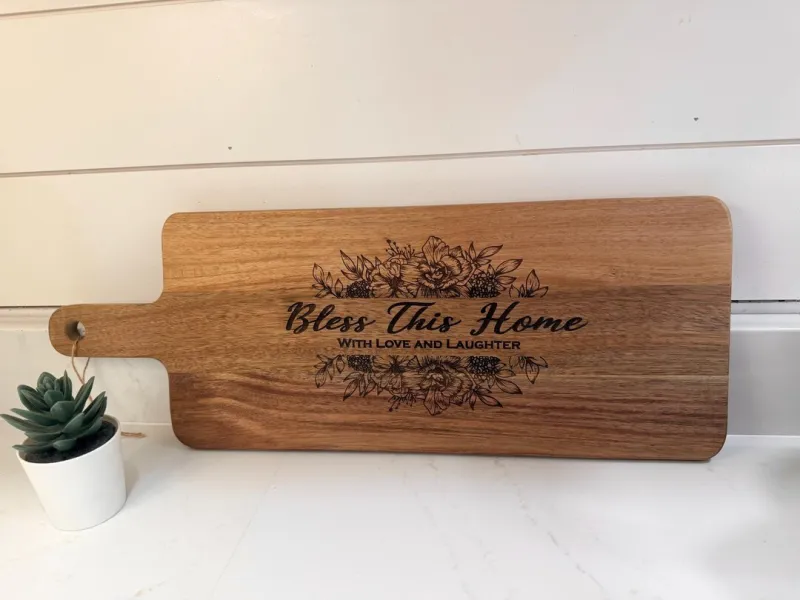
- A grain-etched cutting board. Skip the giant ones; a small cheese board gets used weekly and shows off the wood's figure.
- A wooden ornament with the year burned in. Ten dollars now, forty years of Decembers later.
- A turned maple bottle stopper. For the person who has everything — including, apparently, a wine habit.
- A carved wooden bookmark. Readers keep these for decades. Ask any librarian.
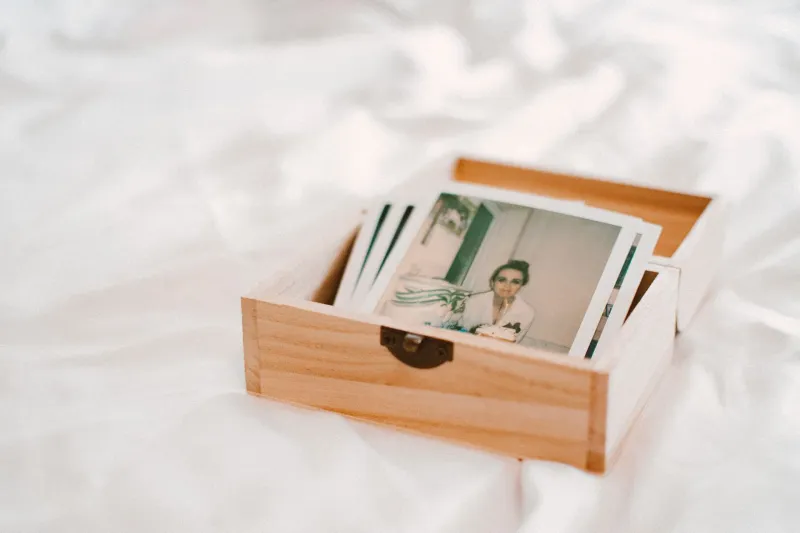
- A small keepsake box with a sliding lid. Perfect for 'firsts' — first tooth, first concert ticket, first house key.
- A wooden spoon, finished by hand. The most-used object in most kitchens deserves better than plastic.
- A grain-imprinted keychain or fob. Every single time they grab their keys, they think of you. That's a marketing strategy no gadget can match.
Spend Less, Mean More
None of this is an argument against generosity — it's an argument for redirecting it. The money you don't spend on the gadget can go toward the engraving, the hand finish, the card that explains why you chose that particular piece of walnut. Thoughtfulness, it turns out, is the only luxury feature that never depreciates.
The four-hundred-dollar smart display in our friend's mother's house? It finally got donated, still in the box. The ring dish is still there. Choose accordingly.