When a Card Isn't Enough: Choosing Wood Keepsakes for Life's Heaviest Moments
There's a moment most of us know: standing in the greeting card aisle, reading the twenty-seventh card that says some version of "thinking of you," and feeling like none of them are enough. Because they aren't, really. When someone we love is grieving a loss, walking through a divorce, or rebuilding after a layoff or a diagnosis, words on paper can feel weightless against the weight they're carrying.
A tangible object is different. It doesn't ask to be read. It just stays. And wood, we'd argue, is the material best suited for the job—it was alive, it weathered seasons, it carries its whole history in its rings. Here's how to choose a piece that says the right thing when you can't find the words.
Why Wood Works for Hard Moments
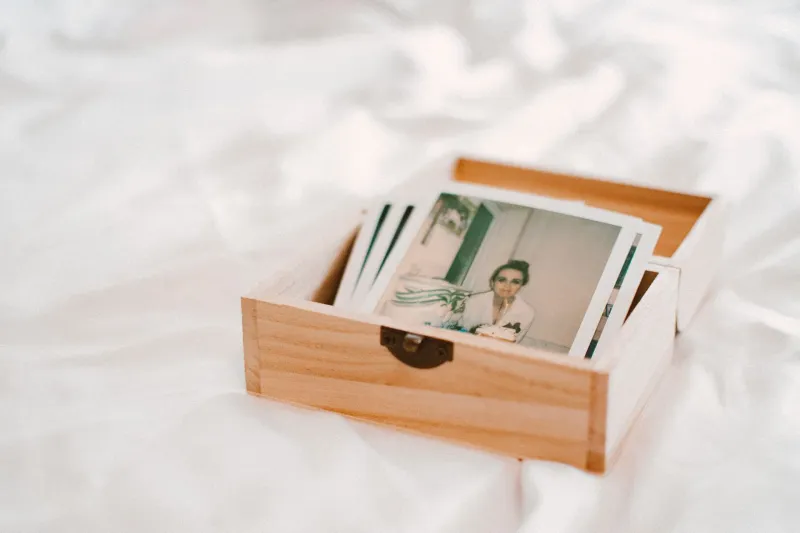
Paper is disposable by nature, and in fragile seasons, disposability can feel careless. Stone is permanent but cold. Wood sits in the middle: durable enough to last generations, warm enough to hold. A maple keepsake box on an entryway table becomes a daily quiet companion—not a reminder of the loss, but evidence that someone cared enough to choose something that would last.
There's also the sensory side. Grief counselors often talk about the comfort of grounding objects—things you can pick up, hold, run a thumb across. Wood warms in the hand in a way metal and glass never will.
Match the Wood to the Moment
Different species genuinely carry different emotional registers:
- Walnut — deep, dark, quiet. Our pick for sympathy gifts. It reads as dignified without being somber, and it ages beautifully, darkening over the years like memory itself.
- Maple — pale, clean, hopeful. Better for recovery and get-well gifts, or marking a fresh start. It feels like morning light.
- Cherry — warm and reddening with age. Lovely for milestone moments that are bittersweet: a retirement after a hard career, the last child leaving home.
- Oak — the steadfast one. For someone weathering a long season—chronic illness, a custody battle—oak's reputation for endurance says something without being engraved at all.
The Etiquette of Engraving: What to Say (and What to Leave Off)
This is where people get paralyzed, so let's make it simple. On difficult-occasion pieces, less is almost always more.
Do:
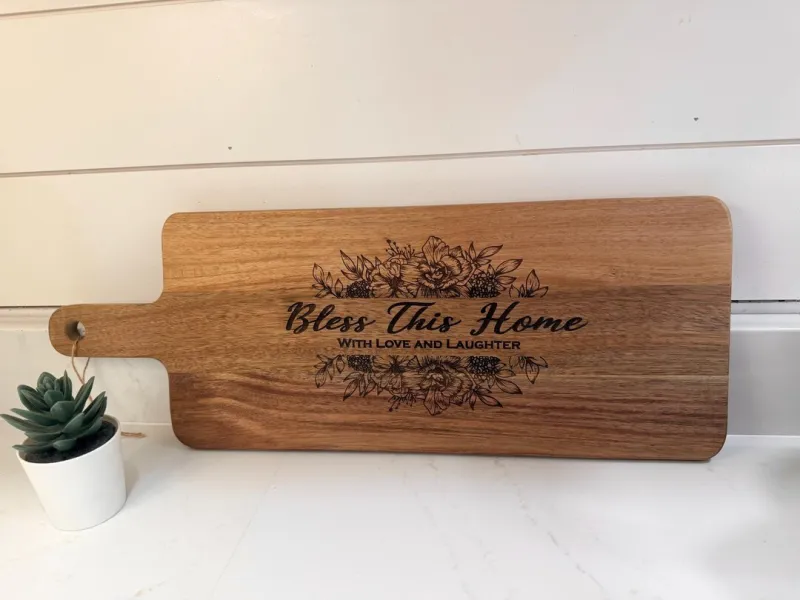
- Use their name or a meaningful date. "Eleanor, 1948–2024" carries more than any quote.
- Choose short, enduring phrases: "Held in love," "One day at a time," "Still standing." Three to six words.
- For recovery milestones, mark the date without the label. A sobriety anniversary piece engraved "March 14" lets the owner decide who hears the story.
Don't:
- Quote song lyrics or long poems—they date quickly and can feel performative.
- Name the hardship on the object. "Divorce Survivor 2024" turns a keepsake into a label. For divorce and job loss especially, engrave the forward idea—"New chapter," coordinates of a childhood lake, a single word like breathe.
- Assume one message fits all losses. The death of a parent, a miscarriage, a pet, a marriage—each deserves its own thoughtfulness.
One more etiquette note: for sympathy gifts, skip the engraving entirely if you're unsure. A beautifully finished walnut box with a blank lid gives the recipient space to decide what it holds—and eventually, what it says.
Ideas by Occasion
Grief and loss: A small memorial keepsake box for letters, a pressed flower, or a wedding band. A smooth "worry stone" cut from walnut—pocket-sized, unengraved, made to be held during hard moments.
Recovery: A maple token or small plaque marking a milestone date, or a hand-turned pen for someone rebuilding a career. Objects that mark progress without broadcasting it.
Divorce and new beginnings: A keepsake box for documents of the new life—lease, diploma, passport. A cutting board for a first kitchen that's entirely theirs.
Job loss or career upheaval: Something that affirms identity beyond the job title. A handcrafted desk piece engraved with a personal motto, waiting for the next chapter's desk.
The Gift That Stays
A card gets read once, maybe twice, and filed away. A wooden keepsake gets picked up on ordinary Tuesday afternoons, months and years later, when the hard season has softened and the person inside it has grown around the loss.
That's the quiet argument for wood in hard times: it doesn't try to fix anything, and it doesn't pretend the pain was small. It simply promises to still be there—solid, warm, and handmade by someone who cared—long after the casseroles are gone and the cards are boxed up.