Seed Banks and Sentiment: Why the Best Gifts Are Meant to Be Replanted
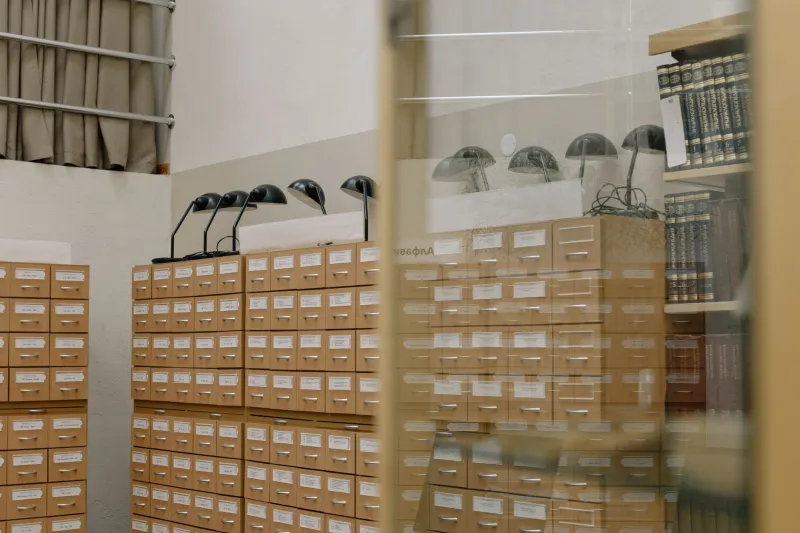
There's a quiet movement happening in public libraries across the country, and chances are you've walked right past it. In a corner of the branch in your town — or one a few miles over — sits a wooden card catalog filled not with books, but with envelopes of seeds. Tomatoes. Beans. Marigolds. You 'check out' a packet in spring, grow your garden, let a few plants go to seed, and return the next generation in the fall.
No money changes hands. No one keeps score. What circulates instead is continuity.
The Borrow That Isn't a Borrow
Seed libraries got their start in the early 2010s, with early pioneers like the Richmond Grows Seed Lending Library in California and a wave of programs across New York, Colorado, and the Midwest. The premise borrows a page from the old-fashioned seed savers who kept family strains of corn and squash alive for a century or more. A seed isn't a product, the logic goes. It's a promise with instructions.
What struck us, the first time we visited one of these libraries, was how familiar the whole thing felt. Here was a room full of ordinary objects — small, unassuming, easy to overlook — that existed for exactly one reason: so someone else, someone not yet born, could pick them up and keep going.
That's not a bad working definition of a keepsake, either.
Heirlooms in the Truest Sense
We throw the word 'heirloom' around a lot in the gift business, and honestly, most of the time it's just marketing shorthand for 'expensive.' But the seed-saving movement has reclaimed the word in its original sense: an heirloom is anything living that gets handed down intact. A tomato variety. A wooden spoon worn smooth by four generations of Sunday pancakes. A cutting board with a grain pattern so distinctive your daughter will recognize it in a stranger's kitchen fifty years from now.
The parallel runs deeper than vocabulary. Seed libraries survive on three habits — and so do family keepsakes:
- Documentation. Seed savers label everything. Which variety, which year, which garden. A wooden gift without a story attached is just an object; a wooden gift with 'Grandpa's, 1962' burned into the bottom is an archive.
- Stewardship, not preservation. Seed librarians don't keep seeds in a vault. They grow them, use them, and return them slightly changed. Heirloom keepsakes work the same way — the cutting board that gets used develops a patina the one in the drawer never will.
- An open invitation. Anyone can contribute to a seed library. The collection belongs to the community, not the founder.
Start a Keepsake Registry Your Family Can Add To
Here's where the seed library model becomes practical. Instead of a one-and-done gift exchange, imagine a running family registry — a physical or digital list of keepsakes that accumulates, generation after generation. Not a wish list of things to buy, but a record of things already entrusted.
It works like this:
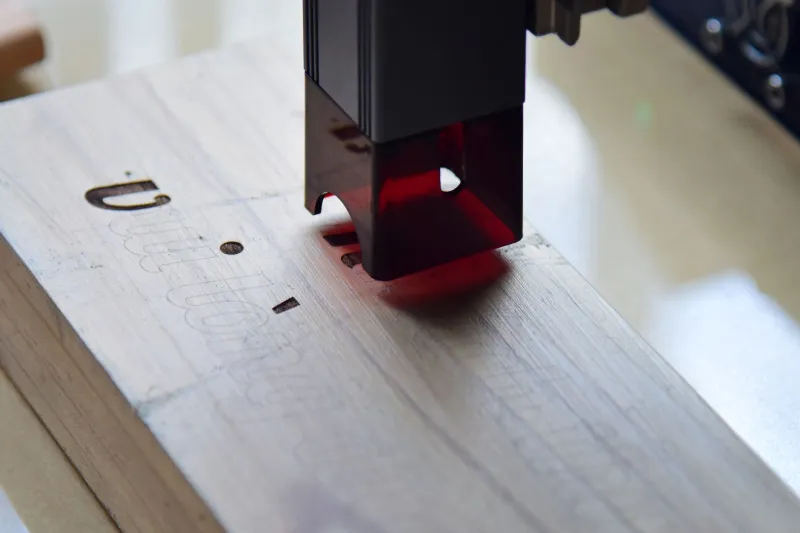
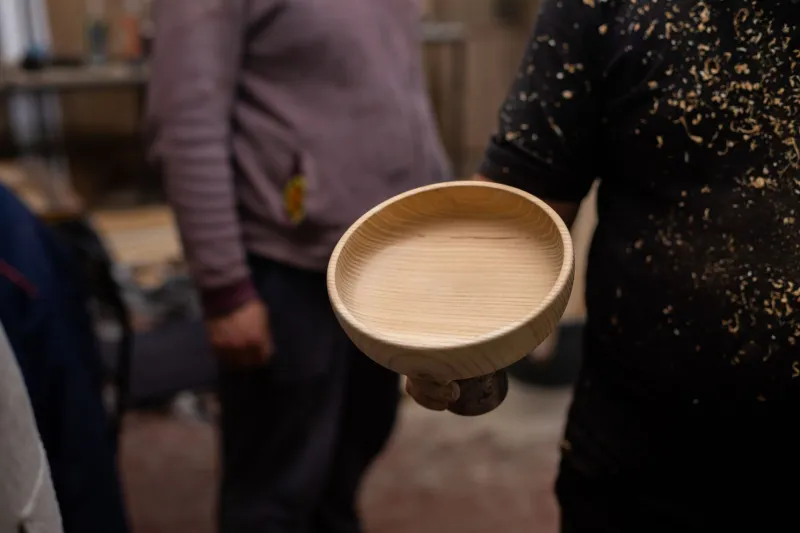
- Start with one object. A grain-etched serving plank, a carved keepsake box, a small turned bowl. Engrave or write the year and the recipient.
- Write the entry. One or two sentences. Who made it, who gave it, why it matters. Seed packets have planting instructions; your registry has provenance instructions.
- Add an accession each year. Every birthday, wedding, or new baby is a chance to 'check in' a new piece. Some families appoint a keeper — call them the head librarian.
- Let it circulate. Items can rotate between households. The bowl goes where it's needed, then comes home.
Fifteen years from now, that registry reads like a family history written in wood and grain. Which, come to think of it, is exactly what a tree's rings are: a record of every year, kept in the material itself.
Sown, Not Sold
Nobody at a seed library is trying to maximize anything. The whole enterprise runs on a slower arithmetic — one seed becomes a plant becomes fifty seeds becomes a neighbor's garden. Handcrafted keepsakes live on the same timeline. A gift made of wood isn't consumed; it's propagated.
So the next time you're choosing a present, ask the seed librarian's question: will this still be growing in someone's life in thirty years? If the answer is yes, you're not really giving a gift. You're planting one.