The Index Card Heirloom: Why Your Wooden Gift Needs a Provenance Card
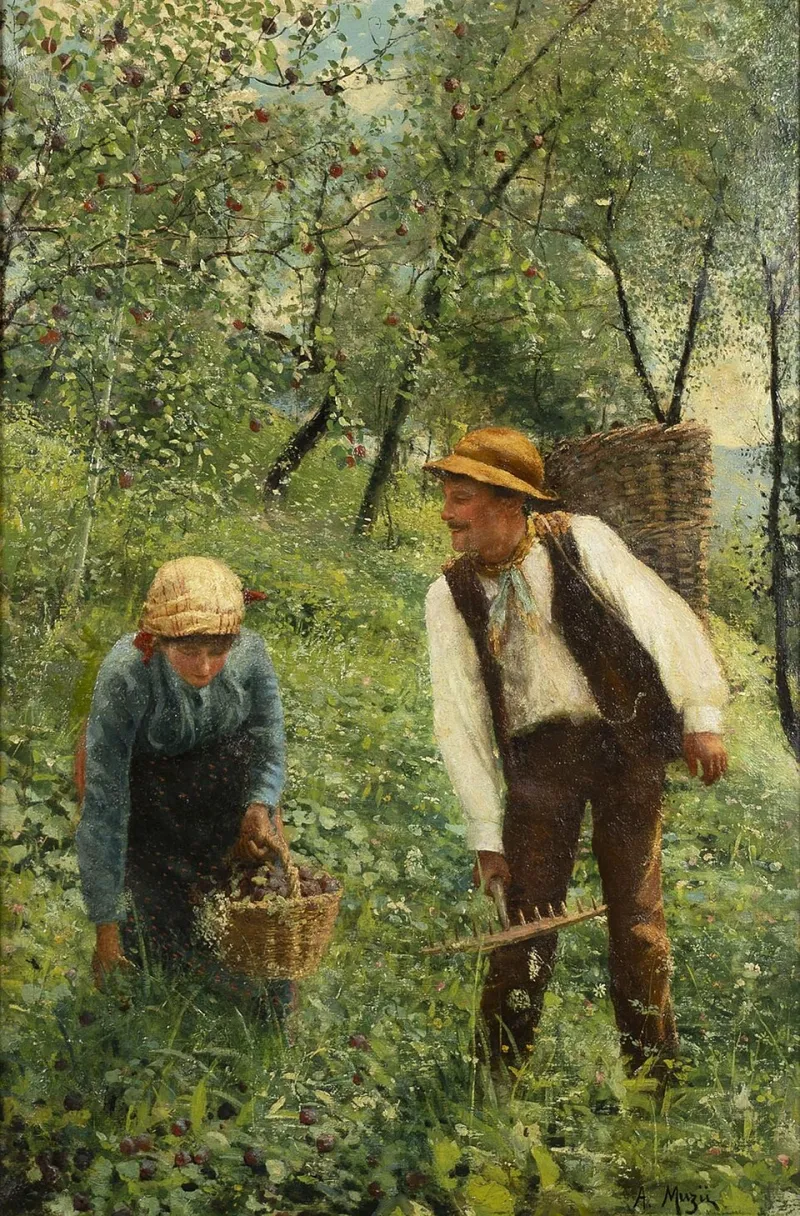
Photo: Alfonso Muzii, Public domain, via Wikimedia Commons
A wooden bowl can be gorgeous and still be anonymous. Ten years from now, the person who owns it may know it came from a craft fair, or from you, but not much else. The wood species? Gone. The maker’s name? Probably gone. The reason it was chosen? That depends on how good your memory is and how much the story got passed along.
That is the quiet job of a provenance card. It is not a certificate of authenticity, a price tag, or another piece of paper destined for the recycling bin. It is a small record that travels with the object and answers the questions a future owner will eventually ask.
What a Provenance Card Actually Is
Think of it as a museum label for your kitchen counter. A good provenance card is short, specific, and written for the person who will live with the piece. It usually fits on a folded card or a sturdy index card, and it covers four things: what the object is, who made it, where the wood came from, and how to care for it. A personal note is the fifth piece, and honestly, it is the one people keep.
It should not read like a warranty. It should read like a story with footnotes.
Why It Matters More Than the Price Tag
Most household objects lose their stories fast. A table becomes “the table.” A cutting board becomes “the good board.” The details disappear because nobody wrote them down. Museums solved this problem a long time ago with accession records. Families usually solve it by accident, if at all.
A provenance card prevents that drift. It gives the recipient language for the gift. Instead of saying, “My friend gave me this wooden thing,” they can say, “It is black walnut from a small shop in Pennsylvania, finished with beeswax, and the maker signed the bottom.” That is a different object in the mind. It has a place and a person attached to it.
The card also does right by the maker. Handcrafted work is often separated from its source the moment it leaves the booth or the box. A card keeps the maker’s name with the piece, which matters if the owner ever needs a repair, a refinishing recommendation, or simply wants to know who to thank.
The Four-Part Template That Works
You do not need a designer or a lengthy backstory. Use a simple structure and keep it readable.
1. Species, Finish, and the Fine Print
Name the wood as specifically as you can. “Black walnut” is better than “wood.” If the maker knows the botanical name, include it, but do not force it if the common name is what they use. Add the finish, because that is what the owner will need to maintain: food-safe oil and beeswax, hardwax oil, lacquer, or an unstained natural edge. If the piece is not food safe, say so plainly.
2. Maker, Not Just Brand
Include the craftsperson’s name, shop name, city and state, and a website or contact method. If there is a signature or stamp on the piece, mention where it is. A handwritten signature on the card is a nice touch. It signals that a person stood behind the work, not a fulfillment center.
3. When and Where
Write the completion date, not just the purchase date. Add the town or region where the piece was made. If the wood has a local story, such as a tree removed after a storm or lumber from a nearby mill, include one sentence. That is the kind of detail people repeat at dinner parties.
4. Care That Fits the Piece
Generic care instructions are worse than none. A cutting board needs different advice than a jewelry box. Hand washing, oiling frequency, humidity, direct sunlight, and heat are common concerns, but only include what applies. If the maker has strong opinions, use their words. “Do not soak” is clear. “Avoid prolonged moisture” is not.
5. A Message With Room to Breathe
This is not the place to duplicate a long engraving. Keep it to 25 to 50 words. Mention the occasion, the reason you chose the piece, and a wish for its next chapter. A date helps. So does a signature. The card can be sentimental without turning into a speech.
How to Ask for One Without Being Awkward
If you are ordering from a woodworker, ask early. A simple line works: “Could you include a provenance card with the maker’s name, wood species, finish, and care instructions? I would love the recipient to have the story.” Most small shops are happy to do it. Some already include one.
If you are buying from stock at a market, ask whether the maker has an info card or can write one up. Offer to pay a small fee if needed. If the piece is already wrapped, ask for a digital copy of the details and print your own card at home. It is not cheating. It is stewardship.
One more ask: request that the card be placed inside the gift, not tucked into an envelope that gets separated from the object. If you are shipping directly to the recipient, confirm the card will travel in the box.
Three Mistakes That Undercut the Card
First, writing too much. A card that runs four paragraphs gets skimmed. Keep the hard facts tight and the message human.
Second, vague materials. “Made from reclaimed wood” is a start, but it is not provenance. Ask what kind of wood and where it came from. If the maker does not know, say that honestly rather than inventing a story.
Third, care instructions that contradict the maker. Do not add your own advice because a website said so. Use the maker’s recommendations, or leave that section out and include their contact information instead.
A Small Ritual for Giving It
When you hand over the gift, hand over the card too. Read one line aloud if the moment allows. Put the card in the same box or bag as the piece, not in a separate card envelope. Tell the recipient that the card is part of the gift. That sounds obvious, but plenty of provenance cards get thrown away because they look like packing material.
A provenance card costs very little. It takes a few minutes to write. But it changes how a wooden keepsake is kept, repaired, and remembered. The grain carries the beauty. The paper carries the story. Both are worth passing along.